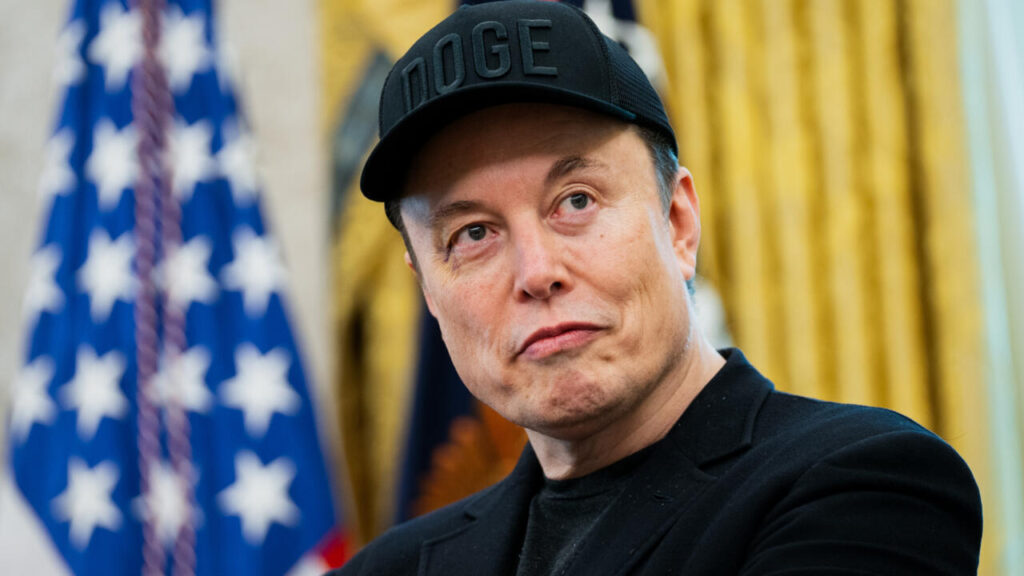
In early October 2025, Elon Musk ignited a heated controversy when he urged his followers on X (formerly Twitter) to “cancel Netflix for the health of your kids.” He accused the streaming giant of promoting content that he said was “unhealthy for children,” specifically pointing to shows that include transgender or LGBTQ+ themes.
The immediate trigger came from a resurfaced clip of the animated Netflix series Dead End: Paranormal Park, which features a teenage character named Barney Guttman who comes out as transgender. Musk and several conservative accounts online claimed the show was “pushing pro-transgender content on children,” and used that as justification for calling for a boycott.
Musk went on to say that he personally cancelled his own Netflix subscription and encouraged his 200 million-plus followers to do the same. Over the next few days, he posted or reposted messages dozens of times to fuel the “Cancel Netflix” trend.
The Netflix–Musk Relationship
Before this clash, Elon Musk and Netflix had crossed paths in far friendlier ways. Netflix had produced and released several projects centered on Musk’s companies, including the 2022 documentary Return to Space, which chronicled SpaceX’s journey to sending astronauts into orbit. The streamer also produced Countdown: Inspiration4 Mission to Space, a docuseries about the all-civilian spaceflight mission carried out by SpaceX. Musk even publicly supported that series.
For years, the two seemed to operate in parallel lanes — Musk as a high-tech visionary and Netflix as a cultural powerhouse in storytelling. That makes the sudden collision between them all the more striking.
At its core, this feud is about much more than one TV show or one billionaire’s subscription. It taps into the ongoing culture wars over representation, “wokeness,” censorship, and who gets to decide what’s appropriate for children. Musk has increasingly positioned himself as a critic of what he calls “woke media,” using his platform to challenge Hollywood and major content providers.
Netflix, meanwhile, has long been a flashpoint in those same debates. Its library includes a wide range of LGBTQ+ stories and characters, reflecting its global and diverse audience. For Musk’s supporters, however, that inclusivity has become a point of contention.
There’s also a deeply personal layer to this story. Musk’s own family has been touched by transgender issues — his daughter, Vivian Jenna Wilson, publicly changed her name and distanced herself from him in 2022, saying she no longer wished to be related to her father “in any way, shape or form.” Critics have pointed out the irony of Musk leading a public campaign against trans-inclusive content given that context, suggesting that personal wounds may play a role in his stance.
The show’s creator, Hamish Steele, became a target of online harassment after Musk’s posts went viral. Steele received thousands of hateful messages, including antisemitic and homophobic attacks, and later announced he would take a break from social media for his mental health. The controversy even reignited old claims about a joke Steele had allegedly made about conservative commentator Charlie Kirk, though the accuracy of that claim remains in dispute. Musk and other right-wing accounts cited it to justify their outrage, adding even more fuel to the cultural fire.
Meanwhile, Netflix’s stock briefly dipped in the days following Musk’s public criticism, but analysts say the effect is more symbolic than substantial. With over 270 million subscribers worldwide, Netflix is unlikely to suffer a major financial hit unless the boycott spreads beyond social media outrage. As of now, the company has not issued a formal response to Musk’s comments.
This clash between Elon Musk and Netflix is about far more than streaming or business. It reflects how personal beliefs, identity politics, and mass influence now collide in public view. Musk’s enormous platform gives him the power to shape narratives — even when the facts behind them are complex or emotionally charged.
Netflix, on the other hand, stands at the intersection of entertainment and social commentary, balancing freedom of expression with the backlash that comes when certain viewers feel alienated. For creators like Hamish Steele, these debates have real consequences, as online harassment and politicization can threaten their livelihoods and mental health.

Bella Richardson is a dedicated journalist and news analyst known for her clear, thoughtful reporting and her ability to make complex stories accessible to a broad audience. With a Master of Science in Mass Communication, she brings both academic insight and real-world experience to her coverage of breaking news and trending topics throughout the United States.