Key Takeaways:
- A historic lawsuit against Los Angeles and California over the deadly Palisades Fire is moving forward, with thousands of residents and businesses joining as plaintiffs.
- The lawsuit alleges government negligence, including insufficient fire preparation, depleted water supplies, and failures in firefighting response.
- The fire, which occurred in January 2025, destroyed over 16,000 structures and claimed at least 31 lives, making it one of California’s deadliest in recent history.
- Legal experts say the case could set a precedent for holding government agencies accountable for wildfire management and emergency response failures.
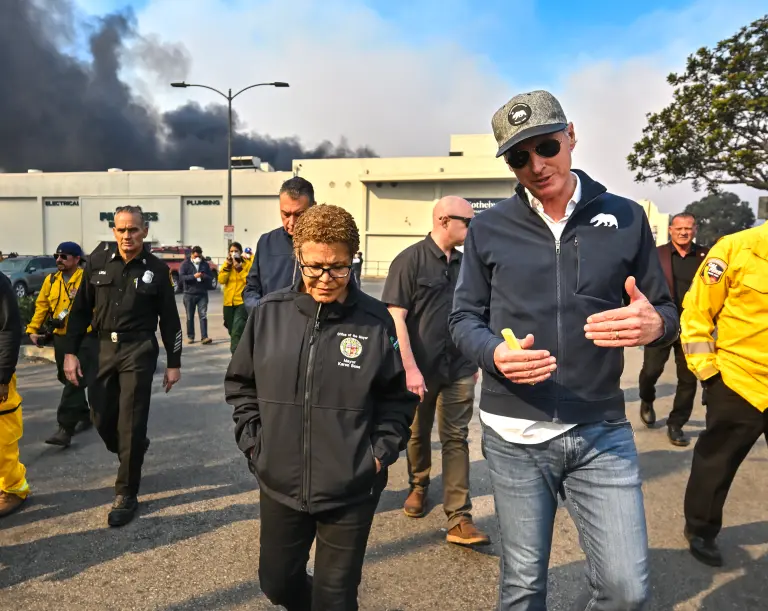
A landmark legal battle is now underway that could reshape how governments respond to wildfires in California. On February 10, 2026, a judge in Los Angeles County Superior Court cleared the way for a massive lawsuit against the City of Los Angeles and the State of California over their handling of the wildfire known as the Palisades Fire. The fire was one of the worst in recent California history, destroying thousands of homes and claiming dozens of lives.
The lawsuit brings together thousands of residents, property owners, small business owners and even insurance companies who say government agencies failed to protect them from harm. At its heart, the case alleges negligence, mismanagement, inadequate preparation and even attempts to downplay the severity of official failures in the fire’s aftermath.
The Palisades Fire began on January 7, 2025, in the coastal community of Pacific Palisades after a smaller blaze known as the Lachman Fire had been declared contained. Strong Santa Ana winds blew through Southern California that week, turning smoldering embers into an unstoppable inferno. Within hours, the fire raced through neighborhoods, engulfing homes and businesses, displacing families, and overwhelming local fire crews.
In total, the wildfire destroyed well over 16,000 structures and resulted in at least 31 confirmed deaths, leaving a trail of devastation that residents and officials are still working to come to terms with.
Victims and their attorneys argue that officials could have done far more to prevent the fire from spreading and to contain it once it began. The lawsuit highlights several major areas of concern:
- Empty Water Supplies: The Santa Ynez Reservoir, one of the region’s key water sources for firefighting, was largely empty because it had been taken offline for repairs. Lawsuit filings suggest that this left firefighters without ready access to water when they needed it most.
- Lack of Preparation Before the Wind Event: Attorneys argue that the city and state failed to pre-stage firefighting personnel and equipment despite clear warnings of critical fire weather conditions and forecasted high winds.
- Power Line and Hydrant Issues: The lawsuit also claims that power lines remained active in areas where they could spark spot fires, and that firefighters lacked ready access to functional hydrants because of the depleted water supply.
- After-Action Report Controversy: Perhaps most explosive has been the allegation that officials edited or softened the official after-action report on the fire to minimize criticism of how the response unfolded. Reporting by multiple outlets and critics has suggested that key failures, including decisions not to fully pre-deploy fire crews and the omission of critical contextual problems, were glossed over before the document was released to the public.
Lead attorney Alex “Trey” Robertson, representing more than 3,000 plaintiffs, described the lawsuit as unprecedented. He told media that this is the first time a city has been held potentially liable for failing to supply water needed to fight a major wildfire. The case could lead to damages in the tens of billions of dollars if successful, a staggering potential outcome for both the city and the state at a time when government budgets are already stretched.
For fire survivors, the lawsuit is about accountability and justice. Many lost more than just property. They lost memories, homes they worked decades to build, and in some cases, loved ones. Residents who have joined the lawsuit want answers about why more was not done to protect them in the face of clear danger.
Several plaintiffs are older residents who have lived in the Palisades for decades, including a Holocaust survivor and a former Navy pilot, who say they were left defenseless against the fast-moving blaze. Their complaints point to deeply emotional and personal losses as evidence of what went wrong.
Some homeowners, including public figures who lost multimillion-dollar properties, have filed their own lawsuits alleging that the city’s actions—or lack of adequate action—amounted to inverse condemnation. This legal concept argues that government inaction effectively took private property without just compensation.
The lawsuit comes at a politically sensitive time as Los Angeles leaders, including Mayor Karen Bass, are facing criticism over their handling of the fire response and various related decisions. Although the city has denied wrongdoing, the controversy has stirred spirited debate among residents and public officials about how best to safeguard communities in an era of increasingly severe wildfire seasons.
Legal experts say that allowing this lawsuit to proceed represents an important moment in how wildfire liability is treated in the courts. If courts find that a government entity can be held responsible for failing to prepare for or respond adequately to a wildfire, it could open the door to similar litigation after future disasters. Critics worry this may make local governments more hesitant or overly cautious in the future, while proponents argue it will force much-needed improvements in emergency planning and infrastructure.
News Source: National Today

Bella Richardson is a dedicated journalist and news analyst known for her clear, thoughtful reporting and her ability to make complex stories accessible to a broad audience. With a Master of Science in Mass Communication, she brings both academic insight and real-world experience to her coverage of breaking news and trending topics throughout the United States.